MoveWell Health Get Active

Everyday Health: Move More, Feel Better

Simple, sustainable physical activity supports overall health — heart and lung fitness, strength, flexibility, sleep, and mood. Use small, consistent steps: combine moderate aerobic movement, strength work, and daily mobility. If you have a chronic condition or new symptoms, check with your healthcare provider before changing your routine.

  • Daily Activity

    Aim for regular aerobic movement

    Target moderate-intensity activity like brisk walking, cycling, or swimming. General guidance is about 150 minutes per week of moderate activity or 75 minutes of vigorous activity, spread across most days.

    8 pts
    Before
    38
    After
    30
  • Strength

    Build muscle with resistance training

    Include 2 or more sessions per week that work major muscle groups. Strength work improves function, bone health, and daily independence; start light and progress gradually.

    +13 pts
    Before
    52
    After
    65
  • Mobility

    Stretch and move for flexibility

    Daily mobility and stretching for 5–15 minutes helps reduce stiffness, improve posture, and support comfortable movement for daily tasks.

    +18 pts
    Before
    56
    After
    74
  • Recovery

    Prioritize sleep, hydration, and rest

    Quality recovery supports performance and health. Aim for consistent sleep, stay hydrated, and include rest days. Recovery matters as much as the activity itself.

    +12 pts
    Before
    42
    After
    54

General Health & Physical Activity

Small, consistent movement matters. Regular physical activity supports energy, mood, mobility, and better sleep—whether it’s a daily walk, strength work, or gentle stretching. Build variety, listen to your body, and check with a healthcare provider if you have existing conditions.

Smiling woman outdoors walking
«Starting a 20-minute walk each morning gave me steady energy throughout the day and helped me sleep more soundly. Making it short and consistent made it stick.»
Meghan Carter
Marketing Specialist
Man stretching at home
«I added strength exercises and daily stretches to my routine. My back feels more stable and I’m less stiff when getting up in the morning.»
Luis Ramirez
High School Teacher
Woman with bicycle smiling
«Replacing evening screen time with a short bike ride helps me manage stress and clears my head. It’s a simple habit that improved my overall mood.»
Aisha Khan
Software Developer
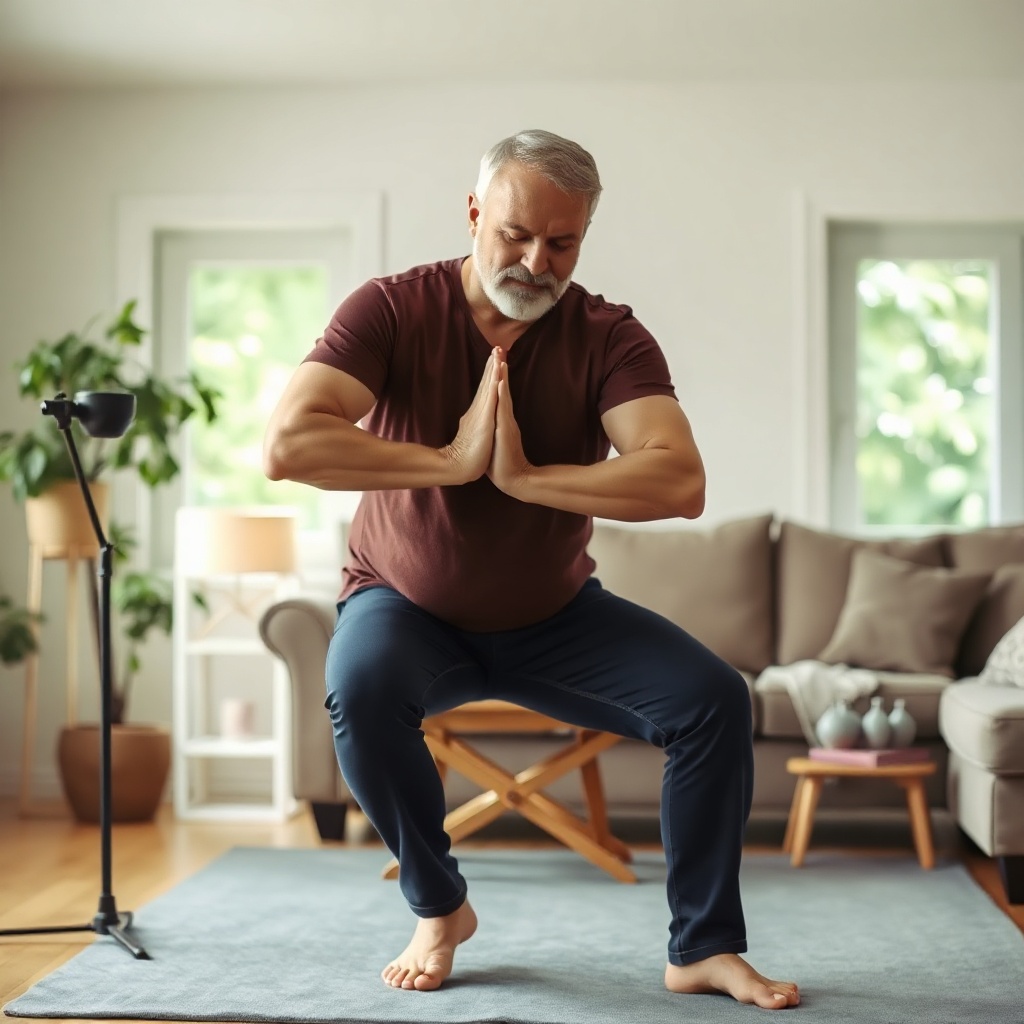
Older man exercising at home
«I wasn’t athletic, so I started with brief home workouts and tracked small wins. Seeing progress kept me motivated—it’s about steady improvement, not perfection.»
David O'Neil
Retired Firefighter

Move More, Live Better: Everyday Health through Physical Activity

Simple, sustainable ways to be more active, support heart and mental health, and build strength and mobility for daily life.

Why physical activity matters

Regular movement supports cardiovascular health, strengthens muscles and bones, improves mood and sleep, and helps manage weight and long-term disease risk. Even small increases in activity can boost energy and overall well-being.

Types of activity to include

Aim for a mix of aerobic exercise (walking, cycling, swimming), strength training (bodyweight, resistance bands, weights), and flexibility and balance work (stretching, yoga, tai chi) to cover fitness, mobility, and fall prevention.

Recommended activity goals

As a general guideline, adults can aim for at least 150 minutes of moderate-intensity aerobic activity or 75 minutes of vigorous activity per week, plus muscle-strengthening activities two or more days weekly. Break up long periods of sitting and build activity into your routine.

How to start and stick with it

Set realistic, specific goals, start small, and choose activities you enjoy. Schedule sessions, track progress, vary workouts to avoid boredom, prioritize rest and recovery, and use safety practices like warming up and using proper form. Consult a healthcare professional before beginning a new program if you have chronic conditions or concerns.

Health & Activity

Everyday Steps to Better Health

Small, consistent habits make a big difference. Aim for a mix of aerobic movement, strength work, adequate sleep, and balanced nutrition to support energy, mood, and long-term health. Start with realistic goals and build gradually to create a sustainable routine.

150 min/week Moderate aerobic activity
2 sessions/week Strength training sessions
7–9 hrs Sleep per night
Tip

Start small

Begin with short walks or a few bodyweight exercises and increase duration or intensity over weeks. Consistency matters more than perfection.

Safety

Warm up and listen to your body

Include a brief warm-up before activity, progress at a comfortable pace, and rest if you experience pain. Modify movements to match your fitness level.

Motivation

Set achievable goals

Use specific, measurable goals—like a daily step target or two weekly workouts—to track progress and celebrate small wins.

This information is general guidance. For personalized medical advice or exercise restrictions, consult a healthcare professional.