MoveWell Health Get Active

Move More — Feel Better Every Day

Small, consistent steps in physical activity boost energy, support mental health, and help maintain mobility. Whether it’s a brisk walk, strength exercises, or gentle stretching, find routines that fit your life and build them into your day. If you have existing health concerns, consult a healthcare professional before starting a new exercise program.


Diverse group walking and stretching outdoors in a park
Maintaining overall health starts with regular physical activity — aim for at least 150 minutes of moderate exercise per week, mix cardiovascular work with strength and flexibility training, and prioritize sleep and balanced nutrition. Start small, build consistency, and consult a healthcare provider before beginning a new exercise routine to ensure it’s right for you.

Active Living for Better Health

Practical, sustainable ways to boost energy, mood, and overall well‑being through regular physical activity.

I started with 20–30 minute walks most days of the week. Over a few months I noticed more energy, better sleep, and less stress. Small, consistent habits made a real difference to my day-to-day health.

Maya Thompson Marketing Manager

Adding simple strength exercises twice a week helped me stay mobile and handle everyday tasks with less effort. I feel stronger and more confident moving through my day.

David Ruiz High School Teacher

Joining a local walking group turned exercise into a social routine. The accountability and friendly company made it easy to keep going, and my mood improved noticeably.

Angela Brooks Retired Nurse

General Health & Physical Activity

  • People exercising outdoors

    Benefits of Regular Exercise

    Regular physical activity supports heart health, improves mood, boosts energy, and helps maintain a healthy weight. It also strengthens muscles and bones, enhances sleep quality, and can reduce the risk of many chronic conditions when combined with other healthy habits.

  • Shoes, water bottle, and fitness tracker

    Getting Started Safely

    Begin with manageable activities like brisk walking, cycling, or basic bodyweight exercises, then gradually increase duration and intensity. Aim for about 150 minutes of moderate aerobic activity per week plus two days of strength work, and consult a healthcare professional if you have chronic health issues or concerns.

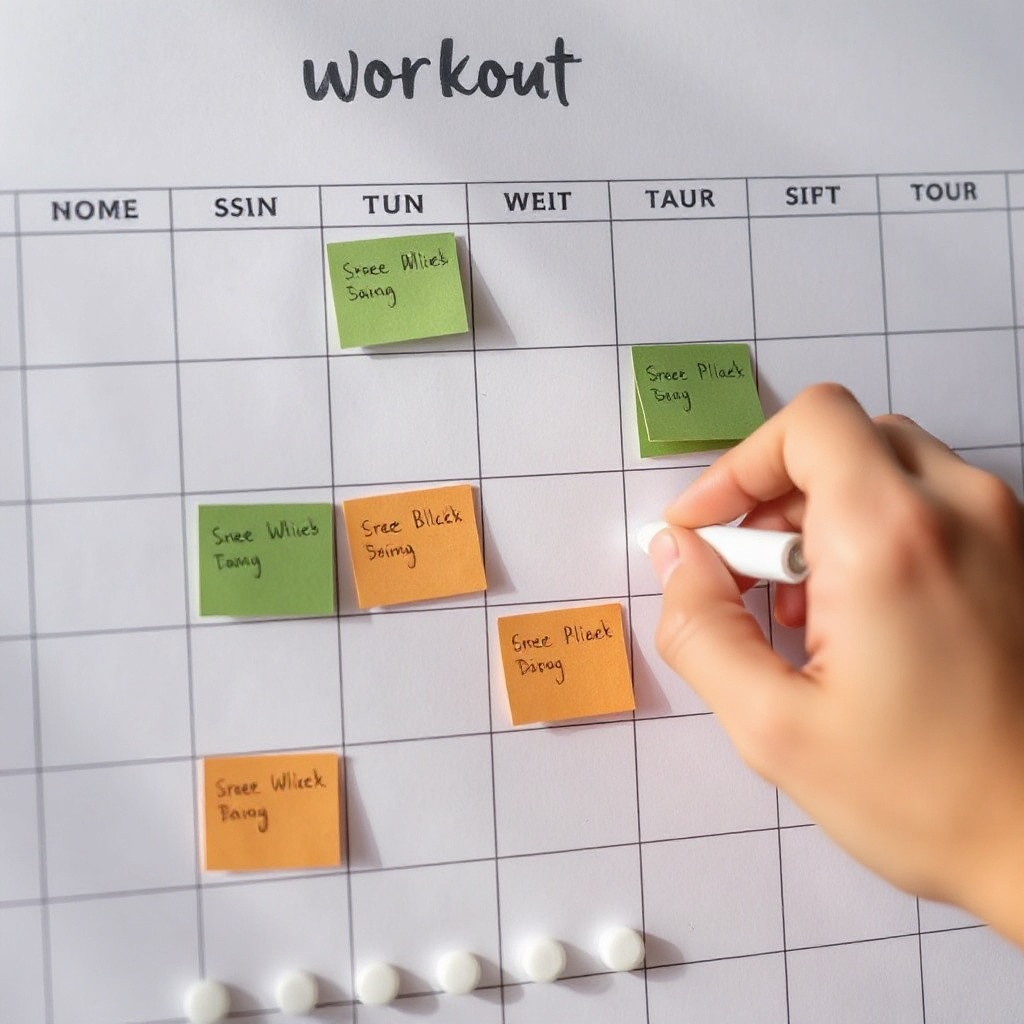
  • Workout schedule on a calendar

    Building Consistency

    Set realistic goals, schedule workouts like appointments, and choose activities you enjoy to make exercise part of your routine. Mix cardio, strength, and flexibility sessions to prevent burnout and keep progress steady over time.

  • Healthy meal, water, and dumbbells

    Rest, Recovery & Nutrition

    Balance activity with rest days and quality sleep to allow your body to recover and reduce injury risk. Support your workouts with balanced meals, adequate hydration, and protein for muscle repair, while avoiding promises of quick fixes or guaranteed outcomes.